

Recognizing authentic handmade jewelry: how to do it
Last updated: November 7, 2026
Quick Summary
You can recognize authentic handmade jewelry by small, intentional details such as slight, natural irregularities in shape and careful finishing. Mass-produced jewelry often looks more uniform and identical. Examine the finish closely, look for signs of craftsmanship, and ask the maker how the piece was made.
- Look for smooth edges and an even shine in the finish.
- Subtle differences between two earrings often indicate handmade work.
- Look for a hallmark or maker's mark and ask about the composition.
- An honest seller will be happy to explain how a piece of jewelry was made.
Table of Contents
- Why recognizing authentic craftsmanship is worth the effort
- Step-by-step: checking handmade earrings and jewelry
- How to find and buy sustainable handmade jewelry from a reliable maker
- Frequently Asked Questions
Why recognizing authentic craftsmanship is worth the effort
Handmade jewelry tells a story. Each piece bears the traces of the hands that made it, and that makes it unique. However, not all jewelry that is so labeled is actually handmade. Those who know what to look for can buy with greater confidence and find the piece that truly suits them. At Selfness | ODE to Women Jewelry, we believe that jewelry should mean something.
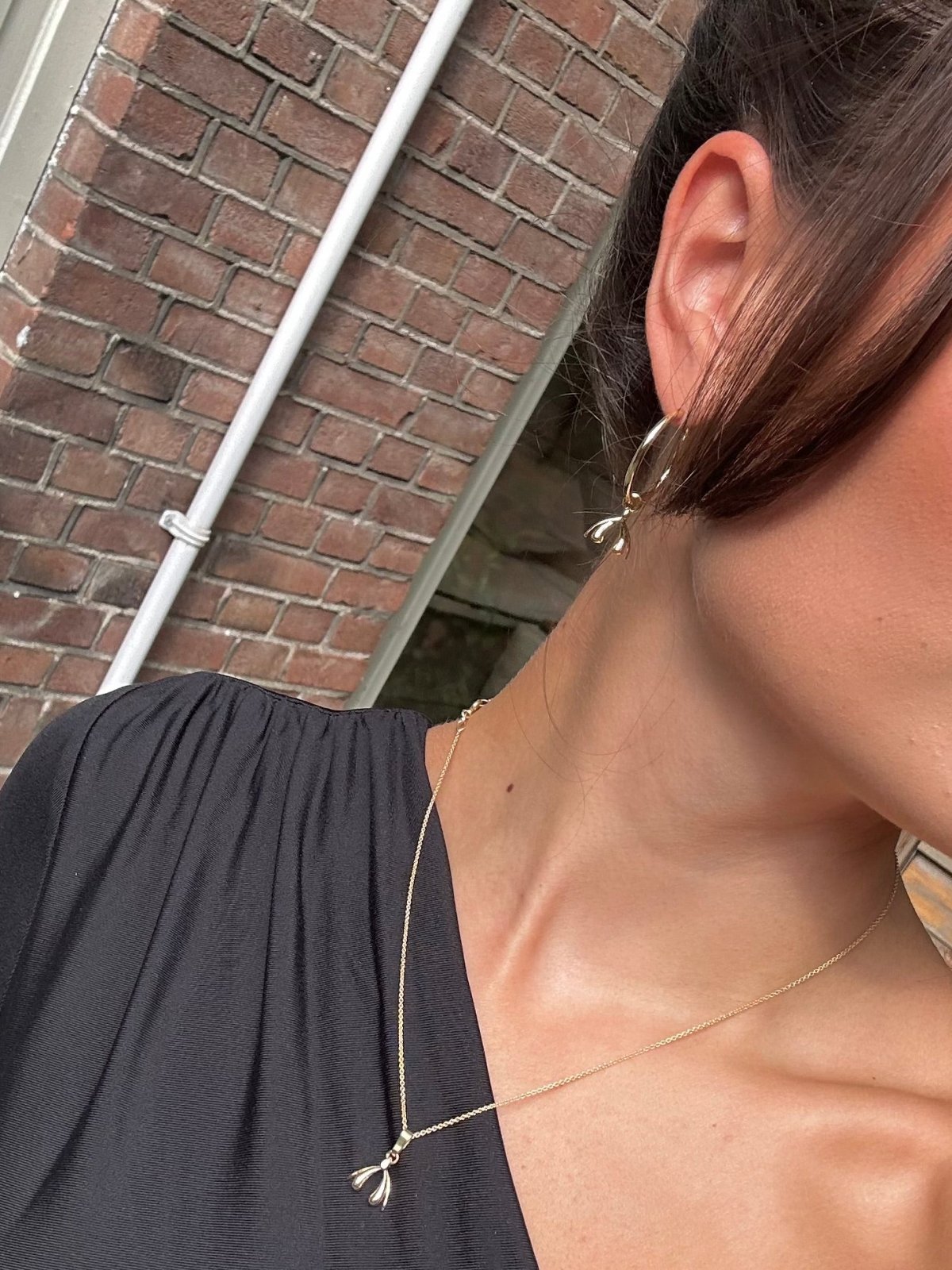
You can recognize authentic craftsmanship by small, intentional details. Think of a slight, natural irregularity in shape and a careful finish. Mass production often results in a more uniform, identical appearance.
Step-by-step: checking handmade earrings and jewelry
Take your time when examining the piece. Here is how it works in practice:
- Examine the finish closely. Look for smooth edges and an even shine.
- Look for signs of craftsmanship. Subtle differences between two earrings often indicate handmade work.
- Check the material. Look for a hallmark or maker's mark and ask the seller about the composition.
- Ask the maker a question. An honest seller will be happy to explain how a piece was made.
You can find our Oval stud earrings, made from recycled sterling silver. They are approximately 1 cm long.

Want to know more about what makes a piece of jewelry special? Read Beautiful earrings as a statement piece for every look.
With these steps, you can check in a few minutes whether a piece of jewelry is truly handmade:
| Step | What you do | What to look for |
|---|---|---|
| Examine the finish | Examine the piece closely | Smooth edges and an even shine |
| Look for signs of craftsmanship | Compare two earrings | Subtle differences indicate handmade work |
| Check the material | Look for a hallmark or maker's mark | Ask about the composition |
| Ask a question | Ask the maker how the piece was made | An honest seller will be happy to tell you |
How to find and buy sustainable handmade jewelry from a reliable maker
Sustainable shopping starts with asking questions. Preferably choose a maker who openly explains where and how the jewelry was made. If you are also looking for personal advice on what suits your style and story, you can contact Selfness Coaching.
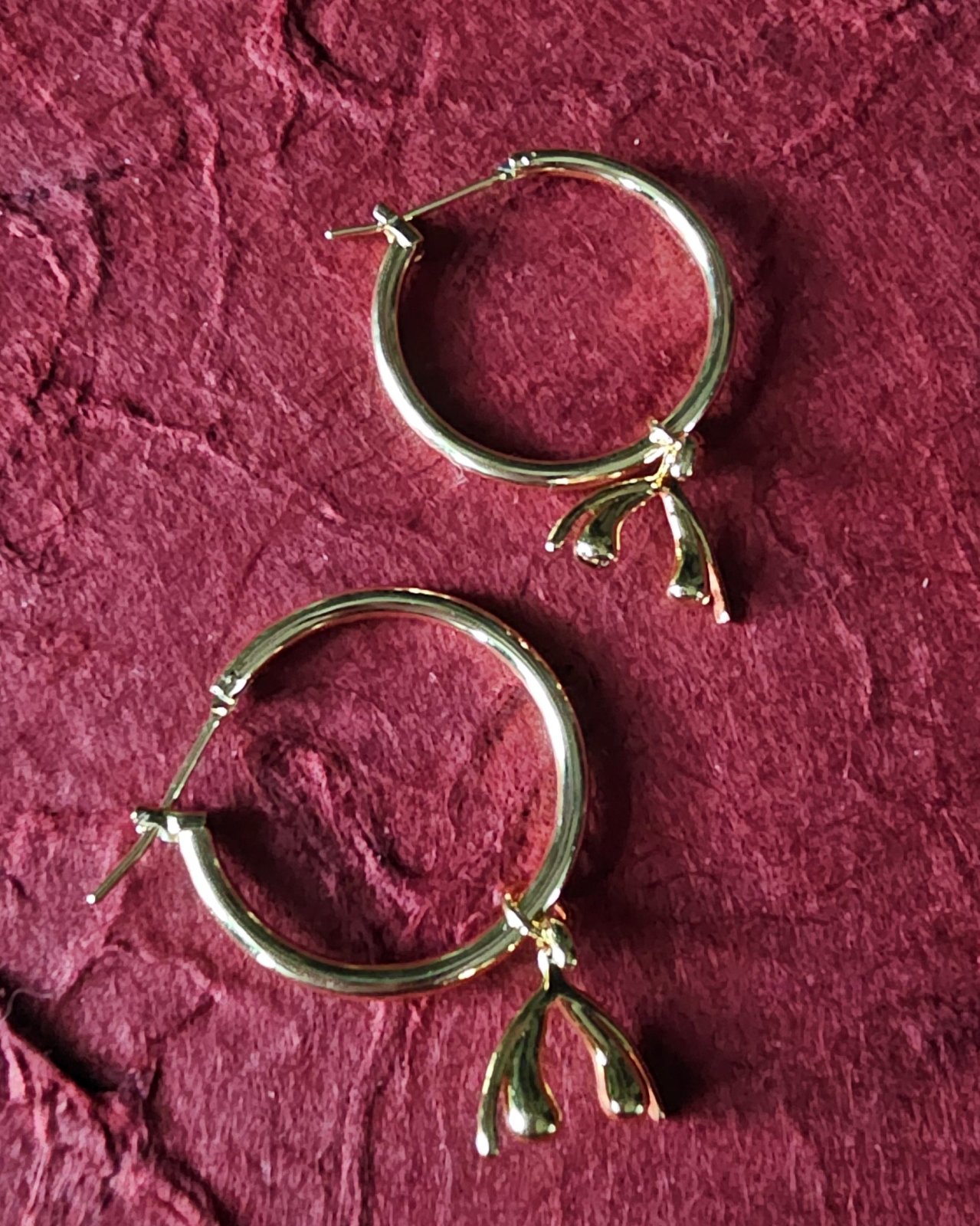
A piece like the Clit of Gold is handmade by goldsmith Wim van Geel in Haarlem, in 14-karat yellow gold.

Frequently Asked Questions
How can you tell if jewelry is truly handmade?
Look for small, irregular details that are often missing in machine-made work: slight differences in shape between two earrings. Handmade pieces are rarely completely identical. If in doubt, ask about the manufacturing process; a reliable maker will be happy to tell you how a piece was made.
What is the difference between handmade jewelry and mass production?
Mass production often uses identical components, while handmade jewelry is made one piece at a time. This difference is reflected in the small variations that characterize each unique piece.
How can you recognize quality in handmade jewelry?
Look for a smooth finish without sharp edges. Check the color and shine of the metal. Material hallmarks and maker's marks provide guidance, but always combine them with an assessment of the finish and questions to the maker about origin and materials.
